



Banyuwedang Travel Guide: A Quiet Corner of West Bali
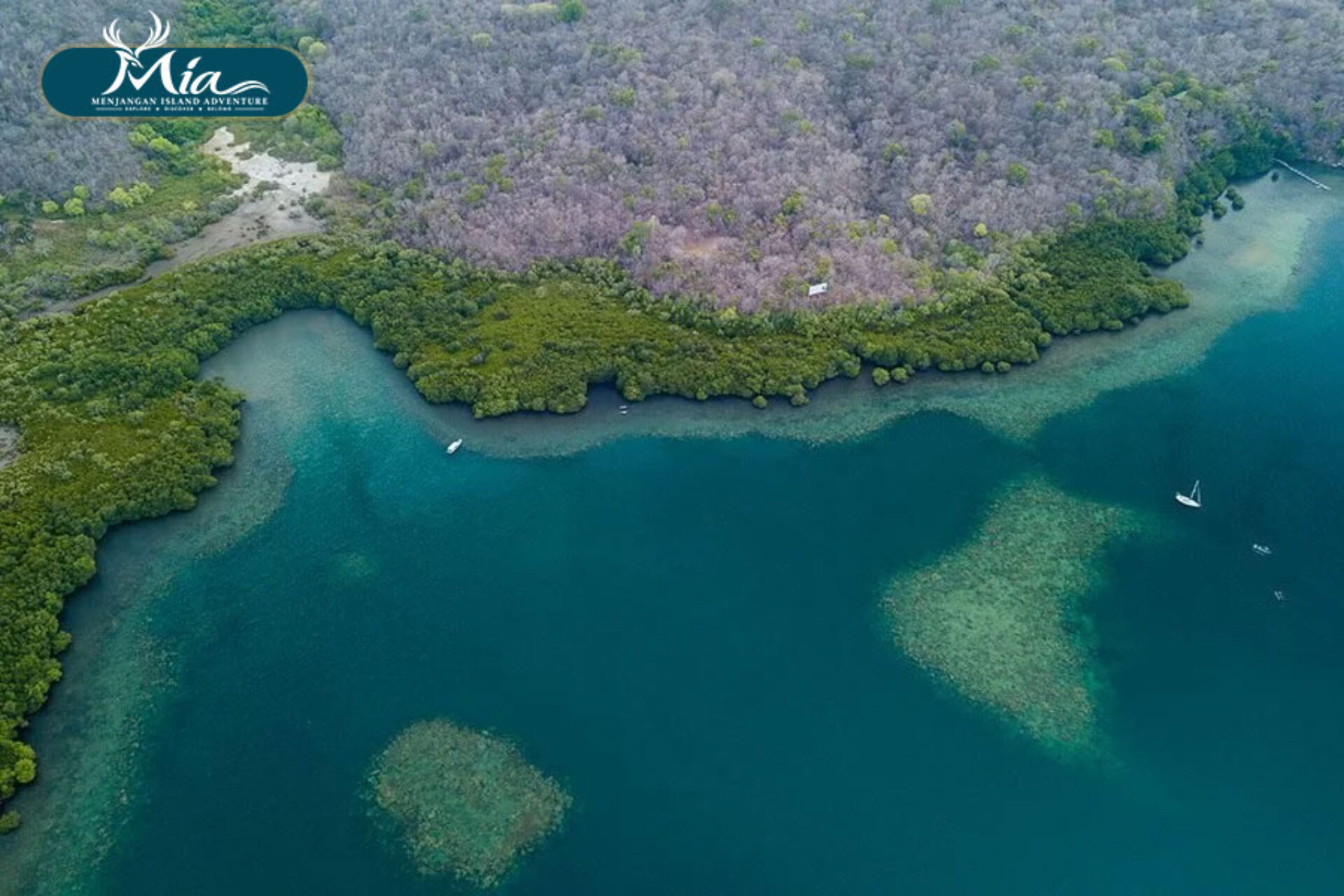
West Bali offers a different kind of island experience. While many travelers head straight to the busy streets of southern Bali, this quieter region invites visitors to slow down, explore untouched landscapes, and discover a more peaceful side of the island. One destination that captures this atmosphere is Banyuwedang, a coastal area in North-West Bali known for its calm bay, natural surroundings, and easy access to Menjangan Island.
Whether you enjoy snorkeling, diving, wildlife watching, or simply spending time away from crowded tourist areas, Banyuwedang makes an excellent base for exploring West Bali. Moreover, its location near Pemuteran and West Bali National Park allows travelers to combine marine adventures with nature experiences and local cultural discoveries.
In this Banyuwedang travel guide, you will discover what makes the area special, what to do during your visit, where to stay, how to get there, and how to plan a memorable trip to this quiet corner of West Bali.
Where Is Banyuwedang in Bali?
Banyuwedang is located in Pejarakan Village, Gerokgak District, Buleleng Regency, in the northwestern part of Bali. The area sits along the coast near Gilimanuk Strait and provides convenient access to several natural attractions in West Bali.
Unlike the more developed destinations in southern Bali, Banyuwedang maintains a relaxed atmosphere. Visitors can enjoy coastal scenery, green hills, fishing boats, and views across the water without the constant movement of large tourist crowds.
Furthermore, Banyuwedang lies close to Pemuteran, a coastal village known for snorkeling, diving, and its marine conservation initiatives. It also sits near the entrance area of West Bali National Park, making it a practical starting point for travelers who want to explore both land and sea.
The area’s location makes it particularly appealing to visitors who want to experience Menjangan Island. Local operators organize boat trips and marine activities from designated departure points around the region, depending on the tour and sea conditions.
Why Visit Banyuwedang?
Banyuwedang appeals to travelers who prefer nature, quiet surroundings, and meaningful outdoor experiences over busy nightlife and shopping districts.
First, the area offers access to some of Bali’s most attractive marine environments. Menjangan Island is especially popular for its clear waters, coral reefs, and underwater landscapes. As a result, snorkeling and scuba diving often become the highlights of a Banyuwedang itinerary.
Second, the surrounding landscape offers more than ocean views. Visitors can explore forested areas, observe wildlife, discover mangrove habitats, and enjoy scenic drives through the quieter western part of Bali.
Additionally, Banyuwedang provides a more relaxed atmosphere for couples, families, small groups, and independent travelers. You can spend the morning exploring the sea, enjoy a leisurely lunch, and return to your accommodation without rushing between crowded attractions.
Most importantly, Banyuwedang allows visitors to experience a side of Bali that feels connected to nature. Instead of filling every hour with activities, you can leave room for spontaneous discoveries and quiet moments along the coast.
Best Things to Do in Banyuwedang
1. Take a Snorkeling Trip to Menjangan Island
Menjangan Island is one of the main reasons travelers visit this part of Bali. Located within West Bali National Park, the island attracts snorkelers with its underwater scenery, coral formations, and variety of marine life.
A snorkeling trip usually includes a boat journey, time in the water, and opportunities to explore selected reef areas with a guide. Depending on sea conditions and the chosen route, visitors may encounter colorful reef fish, corals, and other marine species.
For beginners, snorkeling offers an accessible way to discover Bali’s underwater world. However, you should still choose suitable equipment, follow your guide’s instructions, and stay within your comfort level.
Experienced snorkelers can also appreciate the island’s underwater landscapes. Nevertheless, visibility, currents, and marine conditions change throughout the year, so no operator can guarantee specific wildlife sightings or identical conditions on every trip.
To make the most of your experience, bring reef-safe sun protection where appropriate, drink enough water, and avoid touching corals or feeding marine animals. Responsible behavior helps preserve the ecosystem for future visitors.
2. Discover Menjangan Island Through Scuba Diving
If you want to explore beneath the surface, scuba diving provides another way to experience Menjangan Island. The area is known for its reef scenery and underwater walls, which attract divers with different experience levels.
Certified divers can choose dives that match their qualifications and comfort level. Meanwhile, beginners who want to try scuba diving should look for a reputable operator that offers an introductory program with appropriate instruction and supervision.
Before booking, ask about the dive sites, group size, equipment, instructor qualifications, and safety procedures. These details help you choose an experience that suits your needs rather than simply selecting the cheapest option.
In addition, remember that diving requires careful planning. Follow your instructor’s guidance, respect depth limits, and allow appropriate time before flying after your final dive. If you plan to snorkel and dive during the same trip, discuss the order of activities with your operator.
3. Explore Banyuwedang Bay by Kayak
For a slower-paced adventure, consider kayaking around Banyuwedang Bay. Paddling allows you to appreciate the coastline from a different perspective while enjoying the area’s peaceful atmosphere.
Unlike a fast-paced boat excursion, kayaking encourages you to move at your own rhythm. You can observe the surrounding landscape, enjoy the fresh sea air, and spend time on the water without committing to a full-day activity.
However, always check local conditions before setting out. Wind, tides, boat traffic, and weather can affect the safety of a kayaking trip. Beginners should choose a guided excursion or an area recommended by a local operator.
A morning or late-afternoon paddle may provide pleasant conditions, although the best departure time depends on the weather and the operator’s schedule.
4. Join a Dolphin Tour in North Bali
Dolphin watching is another experience that travelers often include in a North Bali itinerary. Lovina, farther east along the northern coast, is a well-known departure area for early-morning dolphin excursions.
If you stay in Banyuwedang, you can arrange transportation to Lovina or discuss a combined North Bali tour with a local operator. Because the journey takes time, plan the excursion carefully and consider whether you want to return to Banyuwedang on the same day.
Choose responsible wildlife operators whenever possible. Keep a respectful distance from dolphins, avoid activities that chase or surround them, and follow the crew’s instructions.
Although dolphin sightings attract many visitors, wildlife remains unpredictable. A responsible tour focuses on observing animals without unnecessarily disturbing their natural behavior.
5. Discover West Bali National Park
West Bali National Park protects a varied natural landscape that includes forests, coastal habitats, and important wildlife environments. The park offers a different experience from Bali’s beach clubs and urban tourist centers.
Depending on permitted routes, current regulations, and available guides, visitors may explore selected areas through nature walks, birdwatching, and wildlife-focused excursions.
The park is especially interesting for travelers who enjoy observing nature. With patience and a knowledgeable guide, you may learn about local plants, bird species, habitat conservation, and the ecological importance of the region.
Nevertheless, wildlife encounters are never guaranteed. Visitors should stay on authorized trails, avoid feeding animals, take their rubbish with them, and follow park regulations throughout the visit.
Before planning your trip, check access requirements, activity availability, and any applicable entrance or guide fees. Some experiences require advance arrangements, and protected areas may have restrictions that change over time.
6. Experience the Mangrove Environment
Mangrove habitats play an important role in coastal ecosystems. They provide shelter for many organisms, help support biodiversity, and contribute to the protection of shorelines.
Around the wider Banyuwedang area, visitors can ask local operators about suitable mangrove-focused excursions. Depending on current availability, these may involve guided exploration by boat or other approved activities.
A guided visit can help you understand how mangroves support coastal life and why conservation matters. In addition, the quiet surroundings offer opportunities for photography and observing the natural landscape.
When visiting, avoid damaging roots, disturbing wildlife, or leaving waste behind. Small actions make a meaningful difference when many people share the same natural environment.
7. Enjoy the Quiet Coastal Atmosphere
Not every travel experience needs an organized tour. In Banyuwedang, one of the simplest pleasures is enjoying the peaceful surroundings.
Spend time at your accommodation, appreciate the coastal views, take photographs, or enjoy a relaxed meal after a morning on the water. You can also explore nearby villages and discover local food or everyday life at a comfortable pace.
Because Banyuwedang has a quieter atmosphere than Bali’s busiest tourist areas, it suits travelers who want to balance outdoor adventures with rest. This slower rhythm can make a short holiday feel more refreshing.
Best Time to Visit Banyuwedang
Banyuwedang welcomes visitors throughout the year, but the experience can vary with rainfall, wind, sea conditions, and seasonal weather patterns.
Bali generally experiences a drier period around April to October and a wetter period around November to March. However, these are broad seasonal patterns rather than guarantees for specific travel dates.
During the drier months, visitors may find it easier to plan outdoor activities. Even so, sea conditions can change from day to day, and clear weather does not always mean calm water.
The wetter months can also offer rewarding experiences, particularly for travelers who enjoy greener landscapes and a quieter travel atmosphere. Nevertheless, rain and rough seas may affect boat trips or other outdoor activities.
For snorkeling, diving, and island excursions, prioritize the actual marine forecast and your operator’s advice over the calendar alone. If conditions become unsafe, rescheduling is better than taking unnecessary risks.
To avoid disappointment, contact your activity provider before departure and keep some flexibility in your itinerary.
Where to Stay in Banyuwedang and Nearby Areas
Travelers can find several types of accommodation in the wider Banyuwedang and Pemuteran region, ranging from nature-focused retreats to beachfront resorts and local homestays.
Your ideal choice depends on your budget, preferred atmosphere, and planned activities.
Beachfront Resorts and Nature Retreats
If you want a comfortable base with access to coastal scenery, consider researching properties such as Menjangan Dynasty Resort, Naya Gawana Resort & Spa, and Mimpi Resort Menjangan.
These properties offer different styles of accommodation and experiences. Before booking, check their exact locations, current facilities, transport arrangements, and distance from your intended departure point.
Boutique Stays and Local Homestays
Travelers who prefer a more intimate atmosphere can also explore smaller retreats and local homestays in the surrounding region. Options to research include Odiyana Bali Retreat, Eco Moringa, Umah Kayu, and Made Taro Homestay.
Availability, facilities, and travel times vary, so confirm the details directly with each property.
If your main purpose is to visit Menjangan Island, location matters. Ask your accommodation whether it can help arrange transport, recommend a reliable tour operator, or coordinate an early departure for your activity.
How to Get to Banyuwedang
Banyuwedang sits in northwestern Bali, away from the island’s busiest southern tourist centers. Consequently, travelers should allow enough time for the road journey.
From Ngurah Rai International Airport
Travelers arriving at Ngurah Rai International Airport can arrange a private car or another suitable transfer to Banyuwedang. The drive crosses a significant portion of Bali, so journey time depends on traffic, weather, road conditions, and the exact destination.
A private transfer can be convenient if you travel with family, carry snorkeling or diving equipment, or want to stop along the way. Alternatively, you can divide the journey with an overnight stay in another part of Bali.
From Pemuteran
Pemuteran is a nearby coastal destination and a practical base for exploring the region. If you stay in Pemuteran, you can arrange local transport to Banyuwedang and discuss which departure point best suits your planned activity.
Although the areas are relatively close compared with southern Bali, confirm the travel time with your driver or accommodation rather than assuming every route takes the same amount of time.
From Gilimanuk Ferry Port
Travelers arriving from Java through Gilimanuk can continue toward Banyuwedang by road. This route may suit visitors who are already exploring East Java or traveling across Bali by land.
Arrange onward transportation in advance, especially if you arrive late or plan to join an early-morning activity the following day.
What to Pack for a Banyuwedang Trip
Packing the right items helps you enjoy the area more comfortably. Although your exact needs depend on the season and activities, a few essentials are worth preparing.
-
Lightweight, breathable clothing for warm weather.
-
Swimwear and a quick-drying towel for water activities.
-
Sun protection suitable for your planned activities.
-
Reusable drinking water bottle.
-
Sandals or comfortable shoes for walking.
-
Waterproof storage for valuables and electronics.
-
Personal medication and basic travel essentials.
-
A change of clothes for after snorkeling or kayaking.
-
A camera or phone for capturing the scenery.
If you plan to snorkel or dive, ask your operator what equipment they provide. Renting suitable equipment locally may save space in your luggage.
Additionally, bring some cash for small purchases where necessary, while checking payment options for tours, accommodation, and transport in advance.
Responsible Travel Tips for Banyuwedang
Banyuwedang’s appeal depends on its natural environment and quieter atmosphere. Therefore, responsible travel should form part of every visit.
First, respect marine life. Never stand on coral, collect marine organisms, or chase wildlife for photographs. When snorkeling or diving, maintain appropriate buoyancy and follow your guide’s instructions.
Second, reduce plastic waste by carrying a reusable bottle and taking your rubbish with you. Avoid leaving waste on beaches, in boats, or along trails.
Third, respect local communities. Ask permission before photographing people, follow local customs, and support local businesses when possible.
Finally, choose operators who explain safety procedures and encourage responsible behavior. A good excursion should help you enjoy the destination while protecting the environment that makes it special.
How Many Days Should You Spend in Banyuwedang?
The ideal length of stay depends on how much you want to explore.
A one-day visit may work if you only want to join one main activity, such as a snorkeling trip to Menjangan Island. However, you should account for transportation and the tour’s actual departure schedule.
For a more relaxed experience, consider spending two or three days in the region. This gives you time to enjoy a marine adventure, explore the surrounding natural landscape, and rest without rushing between destinations.
If you want to combine Menjangan Island with Pemuteran, West Bali National Park, or a longer North Bali itinerary, consider staying longer. Additional time also gives you more flexibility if weather conditions affect your planned activities.
Rather than trying to visit every attraction, choose experiences that match your interests and leave enough room for rest.
Plan Your Banyuwedang Adventure with MIA
Banyuwedang offers a peaceful starting point for discovering the marine beauty and natural landscapes of West Bali. From snorkeling and scuba diving around Menjangan Island to kayaking, nature exploration, and regional tours, the area gives travelers many ways to experience Bali beyond its busiest destinations.
However, planning the right activities, transportation, and schedule can make a significant difference, especially if you are visiting the region for the first time.
MIA – Menjangan Island Adventures helps travelers explore Menjangan Island and the wider West Bali region through marine adventures, nature experiences, tours, and transportation arrangements.
Whether you want to organize a snorkeling trip, ask about diving options, or create a more flexible itinerary, contact MIA to discuss your plans and the available experiences.
Explore Menjangan. Discover West Bali.
Make Banyuwedang part of your next Bali adventure and discover a quieter side of the island, one natural experience at a time.