Bird Watching Bali

82

Species on our local checklist

160+

Recorded across the national park

2

Guided routes 2.5h and 6h

05:30

First light best start time

Compact Distance, Maximum Birding

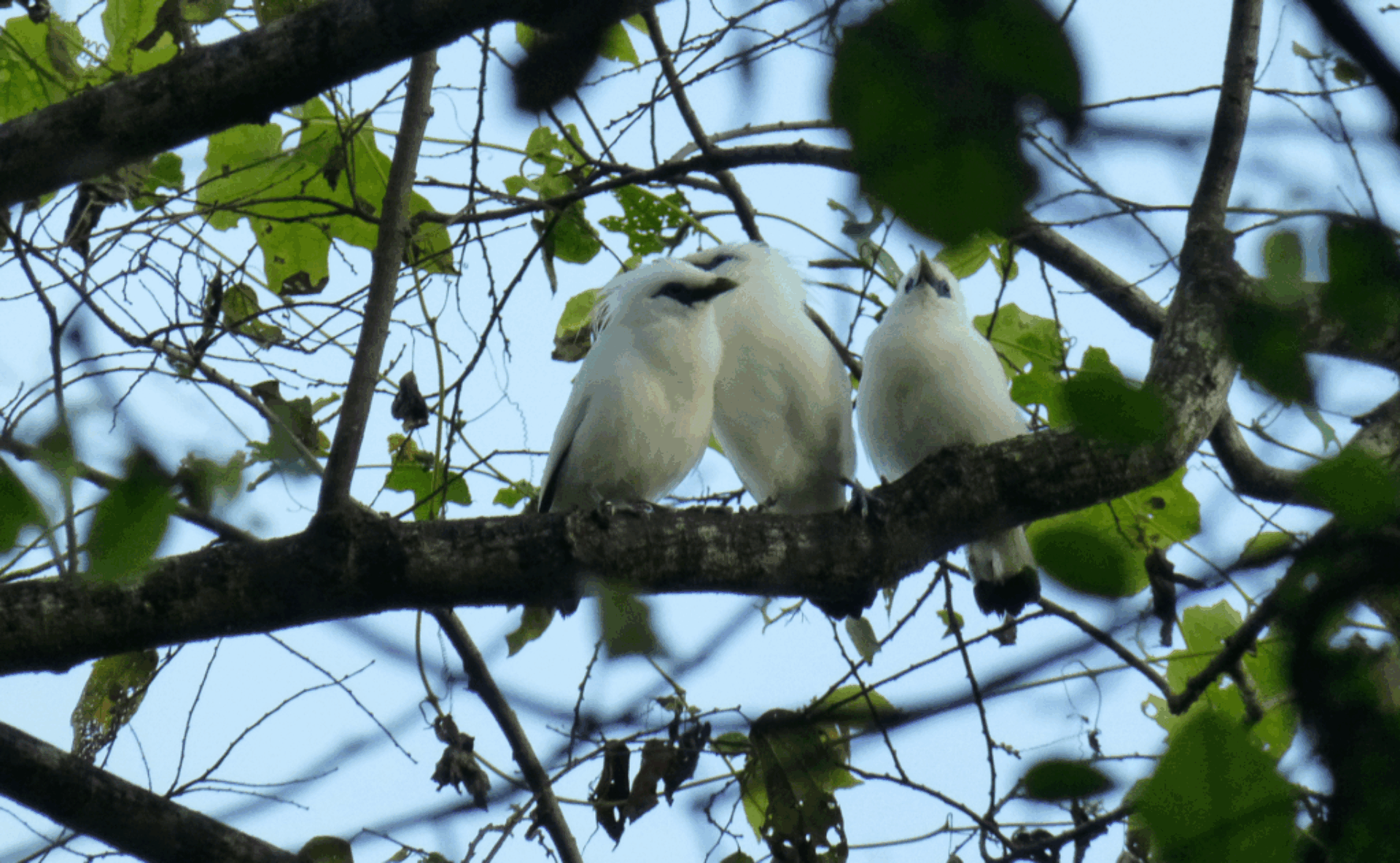
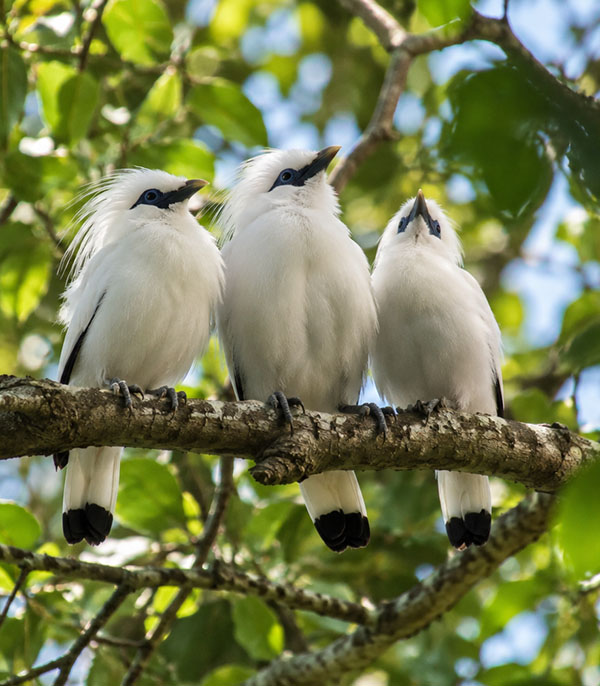
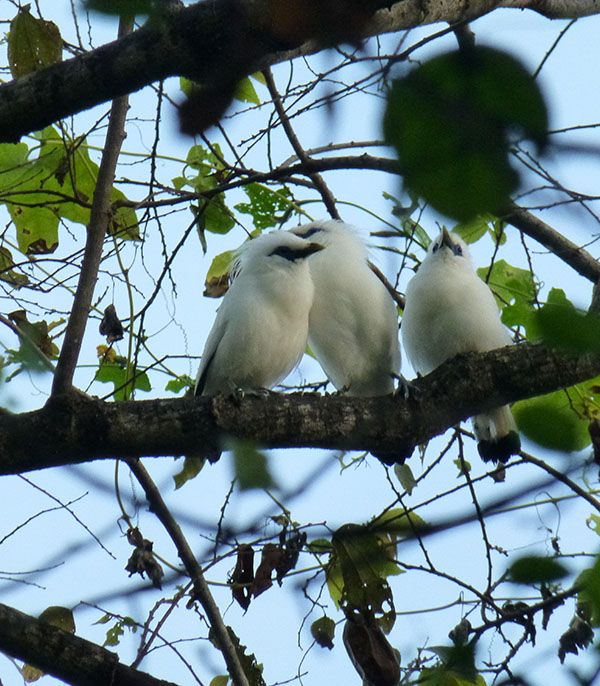
West Bali National Park packs four distinct habitats—mangroves, monsoon forest, savanna, and lowland rainforest—into one small area. With diverse food sources across each ecosystem, the park supports over 160 recorded bird species, including the critically endangered Bali Myna. Walk from Banyuwedang Bay to the salt ponds to cross three habitats in under an hour for an exceptionally rewarding short trip.

  • 01 Mangrove Forest: Kingfishers, herons, and egrets along tidal channels (best on a falling tide).
  • 02 Monsoon Forest: Drongos, treepies, babblers, and bulbuls under an open canopy for easy viewing.
  • 03 Savanna: Junglefowl, shrikes, and starlings—including Bali Mynas around Tegal Bunder.
  • 04 Salt Pond & Shoreline: Migratory waders (plovers, stints, sandpipers, terns) from September to April.

Compact Distance, Maximum Birding

West Bali National Park packs four distinct habitats—mangroves, monsoon forest, savanna, and lowland rainforest—into one small area. With diverse food sources across each ecosystem, the park supports over 160 recorded bird species, including the critically endangered Bali Myna. Walk from Banyuwedang Bay to the salt ponds to cross three habitats in under an hour for an exceptionally rewarding short trip.

  • 01 Mangrove Forest: Kingfishers, herons, and egrets along tidal channels (best on a falling tide).
  • 02 Monsoon Forest: Drongos, treepies, babblers, and bulbuls under an open canopy for easy viewing.
  • 03 Savanna: Junglefowl, shrikes, and starlings—including Bali Mynas around Tegal Bunder.
  • 04 Salt Pond & Shoreline: Migratory waders (plovers, stints, sandpipers, terns) from September to April.

Gallery